

Introduction
Target customer persona is one of the most important factors when it comes to building a successful business, marketing agency, or personal brand.
If you want to know more about personal brand you can click here.
In the market, many business owners fail to understand this concept.
Even though their products or services are good, they struggle to reach the right audience. Instead, they try to sell their services or products to everyone.
When you clearly understand your customer avatar, your content, sales process, and offers become simple and highly relatable to your audience.
Once you know your target customer persona well, you can easily connect with them through your content, build trust, and convert that trust into sales.
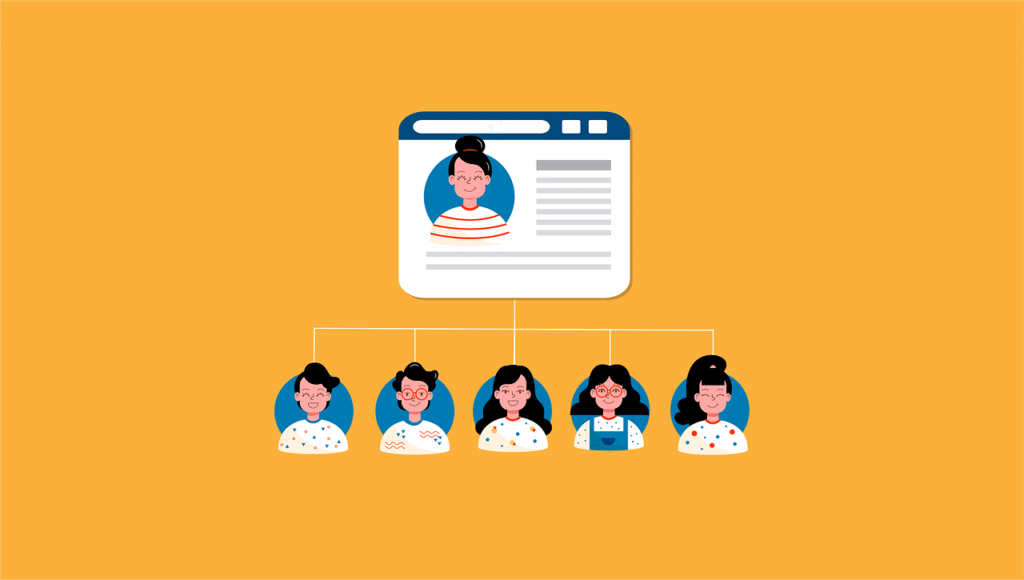
What Is a Target Customer Persona?
A target customer persona is a detailed and in-depth understanding of your ideal customer.
It is an imaginary person who represents the exact type of customer you want to target with your product or service.
While creating a target customer persona, we usually include the following factors:
- Age and profession
You need to analyze whether your product or service is suitable for a person based on their age and profession. - Income level
This is very important. You must understand whether the person can afford your product or service. - Life stage
Knowing the life stage helps you understand whether your product or service fits their current situation. - Problems and goals
This helps you identify whether your product or service can genuinely solve their problems. - Buying behavior
At the end of the day, you need to sell. Understanding how and why they buy is critical.
So instead of saying “my audience is everyone,” you should say:
“This is exactly who I am speaking to.”

Why Is Target Customer Persona Important in Marketing?
In business, clarity is everything.
When you try to sell your product or service to everyone, you lose trust and credibility.
Your content becomes generic, and it fails to attract the right audience.
As a result, trust is lost and conversions do not happen.
Now imagine having a clear customer persona.
Your content feels personal.
Your audience feels understood.
They start relating to your message.
Gradually, trust builds.
Once trust is built, people start following you.
And when they trust you, buying becomes easy.
That is the real power of understanding your target customer persona.

Target Customer Persona Example
Here is a simple example of a target customer persona for personal branding:
- Age: 38
- Profession: Business owner / Consultant / Agency owner
- Income: ₹12 lakh per year (household income)
- Family: Married with a wife and 2 children
Current problem:
His business depends completely on referrals. He does not have a personal brand.
Goal:
He wants to build authority in his industry and generate consistent leads through his personal brand for long-term growth.
If you create content based on this customer avatar, it will naturally connect with him.
Once he connects with your content, he understands your message, trusts you, and gradually becomes a customer.
Why Customer Persona Works Better Than Age Ranges
Many business owners define their audience only by age range.
For example:
“People between 25 and 45 who are interested in growth.”
This creates confusion.
A 25-year-old and a 45-year-old face very different challenges in life.
Their priorities, problems, and mindset are not the same.
One message cannot deeply connect with both.
That is why focusing on one clear customer persona works much better than targeting broad age ranges.
How to Build Your Target Customer Persona
Step 1: Look at Your Paying Customers
Start by analyzing the customers who already pay you.
They already see value in your work.
Step 2: Find Common Patterns
Look for similarities such as:
- Age group
- Income level
- Life stage
- Problems they often talk about
These patterns help you build a strong buyer persona.
Step 3: Identify Deep Pain Points
Ask yourself:
- What worries them the most?
- What problems do they want to solve immediately?
- What is costing them the most—time, money, or peace?
These pain points strongly influence buying decisions.
Step 4: Understand Customer Psychographics
Psychographics include:
- Beliefs
- Fears
- Motivations
- Life pressures
When you understand these deeply, your content becomes more relatable and emotional.
This connection builds trust and eventually turns readers into buyers.
Why Target Customer Persona Evolves Over Time
A customer persona is not permanent.
It evolves as:
- You gain more experience
- Your audience becomes more mature
- Your pricing increases
The key is to focus on one primary persona at a time.
As your knowledge grows, your audience also changes.
They expect deeper and more advanced content from you.
As a result, your pricing increases—and your audience is ready to pay because they see more value.
Target Customer Persona vs General Audience
| General Audience | Target Customer Persona |
|---|---|
| Broad and unclear | Specific and clear |
| Low trust | High trust |
| Hard to sell | Easy to convert |
| Low pricing | Premium pricing |
Conclusion
When you clearly understand your customer, your communication becomes clear.
You build emotional connections.
You create content that directly speaks to the right audience.
Trust builds naturally.
You don’t need millions of followers.
You only need the right audience—people who trust you and are ready to buy.
When people feel understood, they trust you.
When they trust you, they buy.
👉 If you want to follow me on Instagram, click here.
💬 I would love to hear your thoughts—please share your opinion in the comments.
Regards,
Prashantkumar B Bhajantri
A target customer persona is a detailed description of your ideal customer, including their problems, goals, income, and behavior
It helps you create focused content, build trust faster, and increase conversions.
Yes, but you should focus on one primary persona at a time for clear communication.
No. It helps in product design, pricing, sales strategy, and personal branding.
Reaching your audience, understand their Key segments, Key points, what is their Goals? understand their pain points, behaviours and give them name and humanize them for name.