Introduction:
What Are the Laws of Marketing? In this article you understand what exactly the Laws of Marketing and you will dig more inside in this topic via this article.
Marketing is based on science, not just creativity.
Many people believe that marketing is all about creative advertisements, catchy slogans, and visually appealing products. While creativity plays a role, the reality is that marketing is deeply rooted in science.
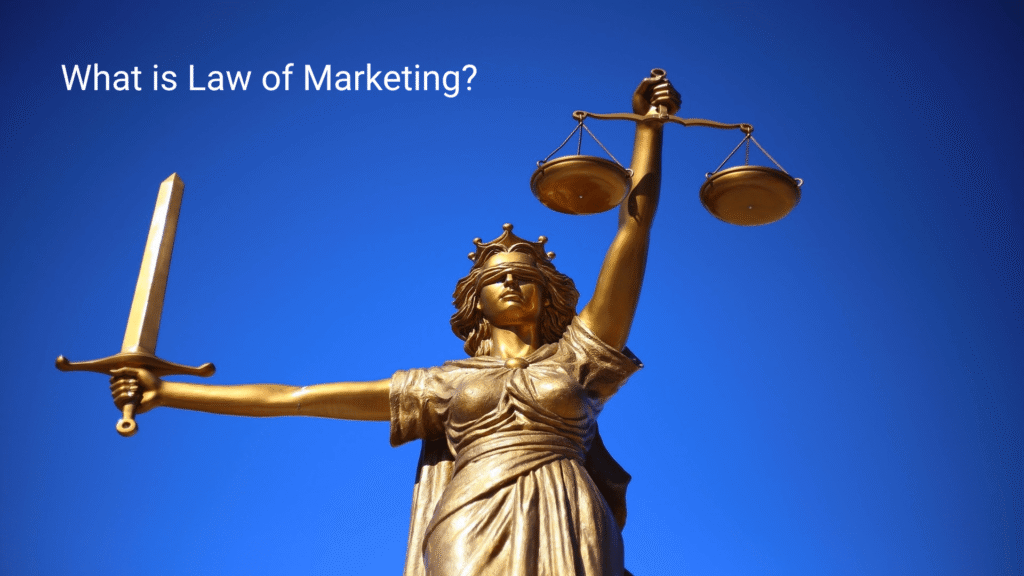
Marketing Begins Before the Product Exists
Marketing does not start after a product or service is created—it begins before that.
Most people assume marketing is simply about promoting products that already exist. In truth, marketing starts with understanding customers and their needs, and then developing products or services that solve real problems.
If you want to know How to Identify Target Customer Persona and Understand them, then you Click Here, You will get detailed information on it.
When a product is built around genuine customer needs, it begins to sell itself.
Understanding Customers Is the Core of Marketing
Through the marketing process, you gain deep insights into your customers—their pain points, desires, and unmet needs. This allows you to create better solutions and even discover opportunities for additional products or services.
If you develop a product based on customer needs, heavy selling becomes unnecessary because the product naturally creates demand.
Marketing Is About the Right Message, Person, and Timing
At its core, marketing means sending the right message to the right person at the right time.
When done correctly, the customer feels like the message is speaking directly to them. Timing is just as important as targeting and messaging—this precision is why marketing is a science.

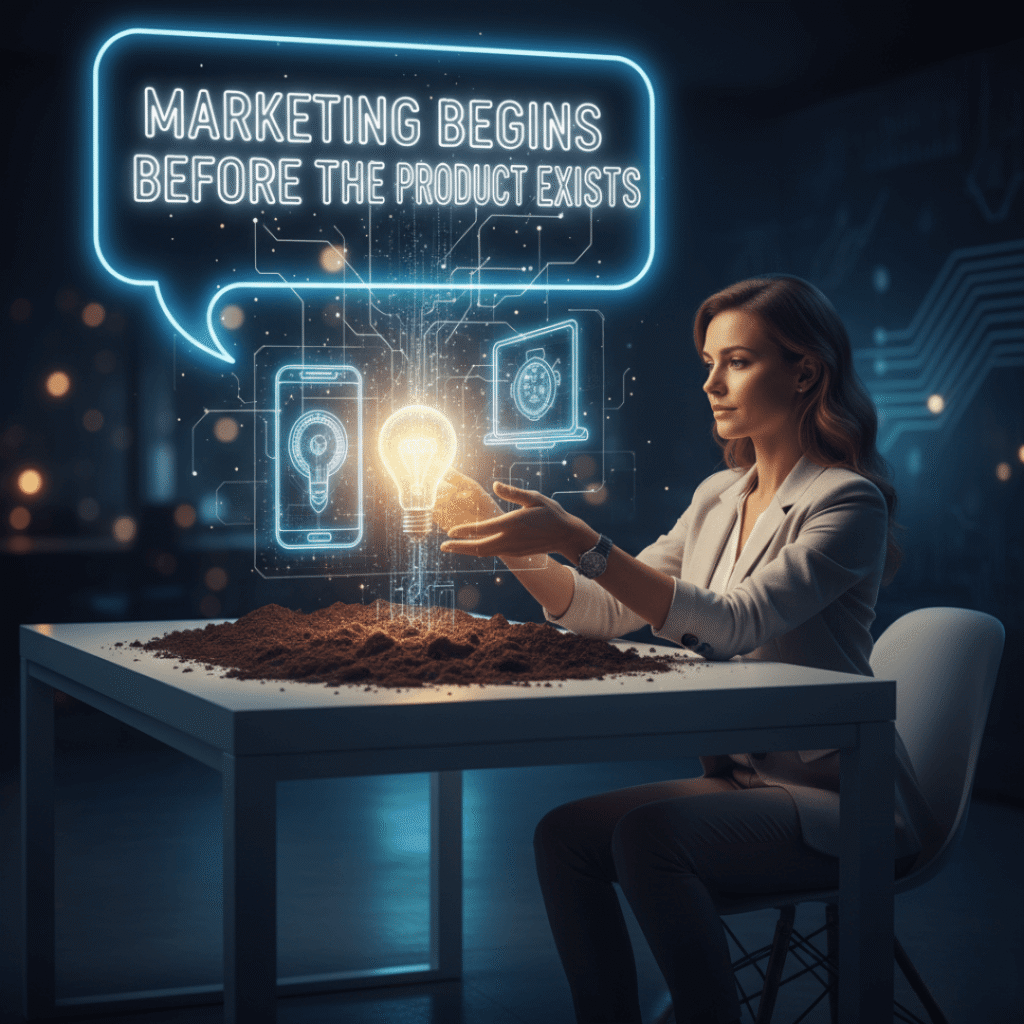
Marketing Is Not Just Selling
Marketing is not limited to closing a sale. It also involves keeping existing customers happy by consistently communicating with them so they remain loyal for life.
Many people stop marketing once a transaction happens. This is a mistake.
Marketing exists:
- Before the product is created
- While the product is being sold
- After the purchase, to encourage repeat business and loyalty
This is why building a marketing funnel is essential.
Trust Is the Foundation of Marketing
Today, trust plays a critical role in marketing. People do not easily trust strangers.
As a marketer, your number one responsibility is to build trust with your target audience. Marketing is essentially the art of building trust with many people at the same time.
You naturally trust people you grow up with—family and friends. Marketing helps build that same sense of trust with strangers through strong branding and consistent communication.
Marketing Builds Brand Positioning
The primary goal of marketing is to build a brand and occupy a position in the customer’s mind.
A perfect example is Google.
Google does not aggressively market itself as a search engine, yet when people think of searching the internet, Google instantly comes to mind. Once a brand achieves this level of positioning, the need for continuous marketing decreases.
When your brand becomes strong, word-of-mouth becomes your most powerful marketing asset.
Marketing Eventually Becomes Optional
Until you reach strong brand recognition, marketing is necessary. Once you achieve it, marketing becomes optional rather than mandatory.
As Peter Drucker famously said:
“The aim of marketing is to know and understand the customer so well that the product or service fits them and sells itself. The aim of marketing is to make selling superfluous.”
Marketing vs. Product Reality
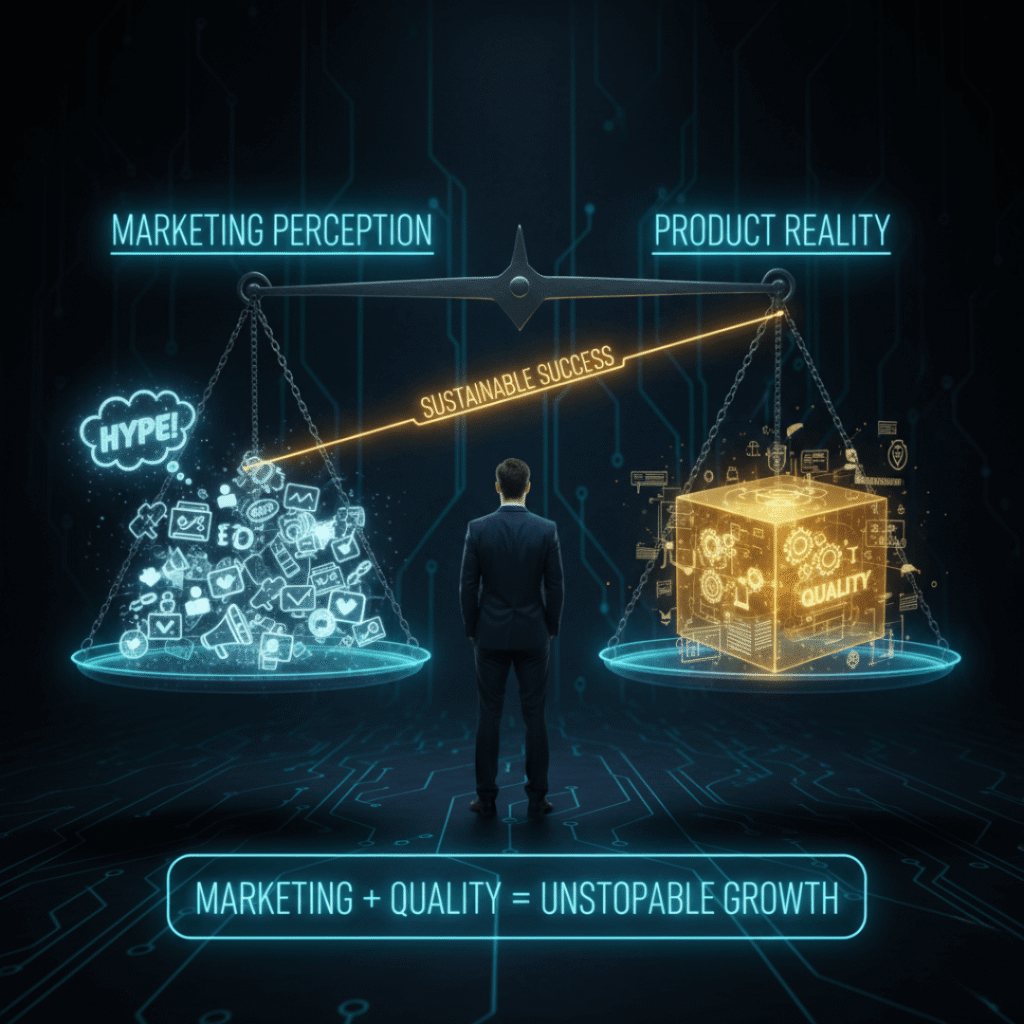
Marketing is a game of perception, while products and services are rooted in reality.
Marketing is difficult to master, and when used unethically, it can sell low-quality products. However, good marketing combined with a high-quality product creates sustainable success.
Never give more importance to marketing than to the product or service itself.
Quality Determines Long-Term Success
If your product or service is poor, marketing will not save your business—it will only accelerate its failure.
Marketing may attract customers once, but product quality determines whether they stay and refer others.
A great product turns customers into brand ambassadors, and word-of-mouth becomes the most powerful marketing channel.
Marketing Is a System, Not a Single Activity
Advertising, copywriting, and sales are all components of marketing, not marketing itself.
Companies like Nike are often described as marketing companies—but even they rely on strong products supported by powerful perception.
Marketing helps people discover a product and shapes how they perceive it, as seen with brands like Apple.
Final Thought
Always prioritize product quality first. Marketing is the spark that ignites growth, but quality is what sustains it.
Master marketing, build trust, create exceptional products, and everything else will fall into place.
If you want to Follow my Instagram for More relevant Content, please Click Here
Thank you,regards
Prashantkumar B Bhajantri
Frequently Asked Questions
Marketing does not start after a product or service is created—it begins before that.
Most people assume marketing is simply about promoting products that already exist. In truth, marketing starts with understanding customers and their needs, and then developing products or services that solve real problems.
When a product is built around genuine customer needs, it begins to sell itself.
Marketing is a game of perception, while products and services are rooted in reality.
Marketing is difficult to master, and when used unethically, it can sell low-quality products. However, good marketing combined with a high-quality product creates sustainable success.
Never give more importance to marketing than to the product or service itself.
The primary goal of marketing is to build a brand and occupy a position in the customer’s mind.
A perfect example is Google.
Google does not aggressively market itself as a search engine, yet when people think of searching the internet, Google instantly comes to mind. Once a brand achieves this level of positioning, the need for continuous marketing decreases.
When your brand becomes strong, word-of-mouth becomes your most powerful marketing asset.